DUS Auto Parts
Long-term parking can quietly damage tires before the vehicle moves again. A car may sit for weeks with the same tread area carrying its weight. That pressure can create temporary flat spotting, uneven wear, or permanent deformation. Heat, sunlight, moisture, and incorrect inflation can intensify the problem. The risk increases when a vehicle remains outdoors on concrete or asphalt.
NHTSA’s Traffic Safety Facts series consistently identifies tire condition and inflation as important vehicle safety factors. Its TireWise guidance recommends regular pressure checks, including before extended storage. The U.S. Tire Manufacturers Association also advises inspecting tires for cracks, bulges, aging, and abnormal wear. These recommendations support a practical question: How To Protect Tires During Long Term Parking without relying on guesswork?
Proper preparation starts with the vehicle manufacturer’s cold-inflation specification, not the maximum pressure printed on the sidewall. Clean, dry tires should be parked away from direct sunlight and chemical contaminants. A breathable cover can help, but sealed plastic may trap moisture. Moving the vehicle slightly can reduce repeated loading on one tread section. However, this method is not always convenient or sufficient.
Do not forget the spare tire.
A tire-pressure monitoring system may warn about low pressure, but it cannot detect every form of aging or sidewall damage. After storage, inspect each tire closely and check pressure before driving. A professional tire inspection is sensible when storage lasted several months, especially for older tires. The advice sounds simple, yet real storage conditions vary. That is why a careful, documented routine remains more reliable than a single shortcut.
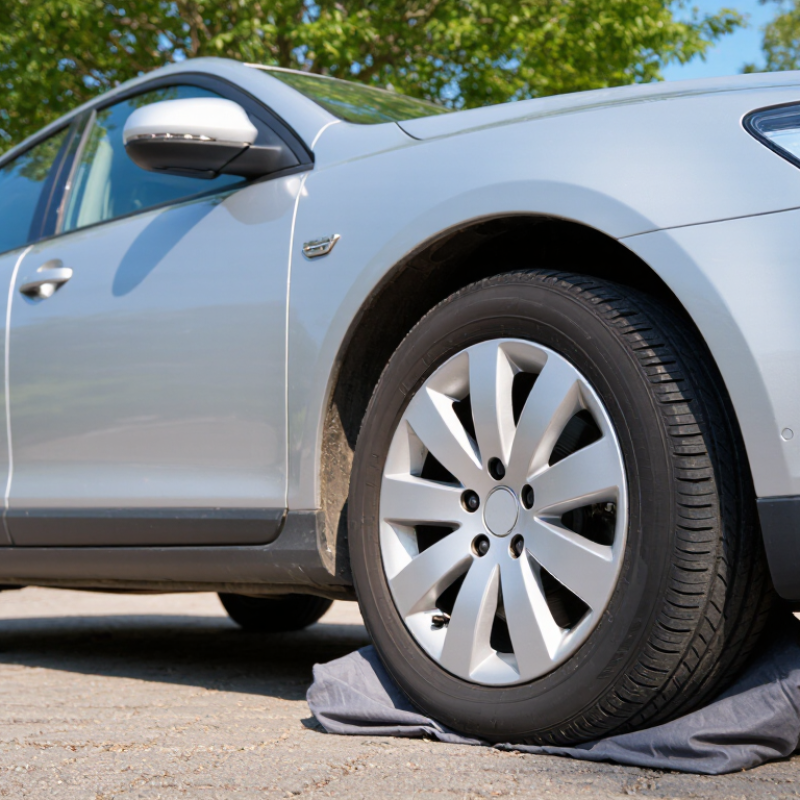
A parked car keeps its weight on the same tire contact patches for days or weeks. This can create temporary flat spots, especially when tires are underinflated or temperatures are low. The first few miles may feel lumpy. Often, the tires warm up and the vibration fades, but not always; persistent vibration deserves inspection.
Pressure can shift even while the car is untouched. NHTSA’s TireWise guidance notes that tire pressure changes by about 1 psi for every 10°F change in temperature. A quick monthly pressure check, using the vehicle’s recommended cold-pressure setting, can catch a quiet loss. NHTSA’s tire-aging research report, DOT HS 811 885, examines how time, heat, and oxygen contribute to tire degradation. It does not define a universal safe parking limit, so storage conditions matter. Park on a clean, firm surface, keep tires out of direct sunlight where possible, and move the vehicle occasionally if practical. Small steps. Still, checking for cracks or lasting deformation before driving is easy to overlook.
Estimated cold tire pressure after extended parking, starting from 35 psi. Tires naturally lose approximately 1 psi per month under stable conditions, while temperature changes can cause additional variation.
Why it matters: Low pressure increases sidewall flex, heat buildup, uneven wear, and the risk of permanent flat spots. Check tire pressure before parking, keep tires at the vehicle manufacturer’s recommended cold pressure, and inspect or recheck them before driving again.
When a vehicle sits for months, its tires carry the same load in one position. Weight compresses the rubber against the ground. Air pressure slowly decreases through normal permeation and temperature changes. The contact patch then becomes stressed and slightly flattened. This condition is called a flat spot.
In my workshop experience, cars parked for several weeks may develop a temporary thump or vibration. It often fades after the tires warm up and rotate normally. Severe flat spots can remain, especially when tires are old, underinflated, or exposed to cold conditions. I once underestimated a small pressure loss during storage. The tires looked acceptable, but the first drive felt uneven. That mistake changed how carefully I check parked vehicles.
Before long-term parking, measure tire pressure when the tires are cold. Set it according to the vehicle manual, not the maximum number printed on the sidewall. Check the pressure monthly if possible. Never guess. Moving the vehicle a short distance every few weeks can change the loaded contact area, but only on a safe, private surface. For extended storage, approved supports may reduce tire loading, yet they must be positioned exactly as specified by the manufacturer. A qualified technician should inspect tires showing cracks, bulges, persistent vibration, or uneven wear.
A parked car may look unchanged, but its tires keep responding to the weather. Heat raises internal pressure, while cold lowers it. Repeated swings can stress rubber and leave tires underinflated when you return. Check pressure with a gauge before driving, using the vehicle’s recommended cold-pressure figure.
Sunlight is less dramatic, but it works steadily. Ultraviolet rays and heat can dry exposed rubber, especially on a driveway with no shade. Over time, small cracks may appear along the sidewalls. A breathable, tire-safe cover or a shaded parking spot can reduce direct exposure. Covers are not magic, though; trapped heat or poor ventilation may create other problems.
Moisture matters too. Rainwater and damp ground can keep tire surfaces wet, while standing water may encourage corrosion on nearby metal parts. Park on a firm, dry surface when possible, and avoid leaving tires in puddles. If storage will last for months, inspect the sidewalls and tread occasionally. Look for cracking, bulges, or a tire that has lost noticeable pressure. A quick glance can miss early damage, so use a pressure gauge and ask a qualified tire professional if anything seems unusual. I’ve found that even careful storage does not stop every change; age and prior wear still matter.
Long-term parking can slowly damage tires, even when the vehicle never moves. Constant weight on one contact patch may create temporary flat spots or permanent deformation. Heat, sunlight, and ozone can also dry the rubber surface. Small cracks may appear along the sidewalls. I once assumed clean tires needed no further care, but months of outdoor storage proved otherwise. Dust and moisture collected around the bead area and valve stems.
Before parking, wash the tires with mild soap and let them dry completely. Check the tread for stones, uneven wear, and embedded objects. Set the pressure to the vehicle maker’s recommended cold pressure. Do not add excessive air. Extra pressure does not replace proper protection. Park on a firm, dry surface, preferably indoors or under solid shade. Breathable tire covers can reduce ultraviolet exposure, while sealed plastic can trap moisture. If storage lasts several months, inspect the tires periodically for pressure loss, cracking, or bulges.
Tips: Move the vehicle slightly every few weeks when practical. This changes the loaded contact area. If movement is impossible, approved supports may reduce tire stress, but they must be positioned safely according to the vehicle manual. Keep tires away from solvents, fuels, and electrical equipment that produces ozone. Take photos during inspections. They make gradual changes easier to notice, though they cannot replace a hands-on check.
Why Should You Protect Tires During Long Term Parking?
How to Prepare Tires for Extended Vehicle Storage
When a vehicle sits for months, its tires carry weight in one position. This can create temporary flat spots, especially in cold storage areas. Before parking, inspect each tire for cracks, bulges, uneven wear, and embedded stones. Check pressure with a reliable gauge while the tires are cold. Use the vehicle manufacturer’s recommended pressure, not a guess. Do not overinflate them to a dramatic level.
Wash the tires with mild soap, then let them dry completely. Road salt, mud, and moisture can remain around the sidewalls. Park on a clean, hard, and level surface. Avoid soil, standing water, and direct sunlight. Breathable tire covers can reduce ultraviolet exposure. Plastic sheets may trap moisture, so they are not always helpful.
I used to think tire protection meant adding extra air and walking away. That was too simple. During extended storage, check the tires every few weeks for pressure loss or new damage. If possible, move the vehicle slightly after confirming the area is safe. A qualified technician should inspect tires showing deep cracks, bulges, or serious wear. Before driving again, remove the covers, check pressure, and look beneath the vehicle. Small details matter.
Yes. A tire may develop a temporary flat spot where it rests on the ground. The first few miles may feel bumpy. Often, the vibration fades as the tires warm.
Check it about once a month, and every few weeks during extended storage. Use a gauge and the vehicle’s recommended cold-pressure setting. Small steps help.
Pressure changes by about 1 psi for every 10°F temperature shift. Cold weather can lower pressure, so check it before driving.
Yes. Sunlight and heat can dry exposed rubber over time. Park in shade when possible, or use breathable tire covers. They are not magic.
Choose a clean, firm, level, and dry surface. Avoid soil, puddles, and standing water, which can keep tire surfaces damp.
Look for sidewall cracks, bulges, uneven wear, embedded stones, and low pressure. A quick glance can miss early damage.
Use the recommended pressure rather than guessing or dramatically overinflating. I used to think extra air solved everything. That was too simple.
Remove any covers, check cold tire pressure, and inspect the sidewalls and tread. Persistent vibration or visible damage deserves attention from a qualified tire professional. Not always.
Long-term parking can gradually damage tires even when a vehicle is not being driven. The vehicle’s weight remains concentrated on the same sections of the tires, which may create flat spots and cause vibration when driving resumes. Inactivity can also allow air pressure to decline, while heat, cold, direct sunlight, and moisture may weaken the rubber, accelerate aging, and contribute to cracking or surface deterioration. Understanding these risks is essential for maintaining tire safety and performance during storage.
How To Protect Tires During Long Term Parking involves several practical steps. Clean and dry the tires, check them for existing damage, and inflate them to the recommended storage pressure. Whenever possible, park the vehicle in a cool, dry, shaded location and use suitable tire covers to limit exposure to sunlight and moisture. Moving the vehicle slightly from time to time can reduce pressure on one area, while placing it on appropriate supports may offer additional protection for very long storage periods. Before driving again, inspect the tires carefully and restore normal pressure.
