DUS Auto Parts DUS Auto Parts

How Do Road Conditions Impact Tire Lifespan?

Time:2026-05-22 Author:Sophia
0%

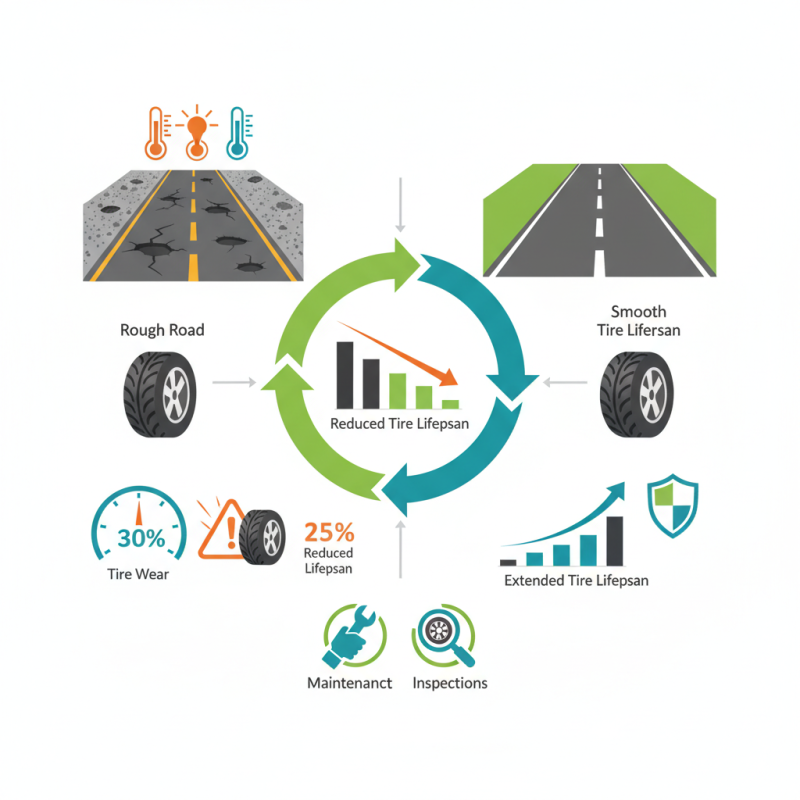
Road conditions play a crucial role in determining how road conditions affect tire durability. Factors such as potholes, gravel roads, and extreme temperatures greatly influence tire wear. According to a report by the Rubber Manufacturers Association, approximately 30% of tire wear is attributed to road surface quality. Moreover, driving on poorly maintained roads can reduce tire lifespan by up to 25%.

In various studies, it has been observed that tires subjected to rough terrains exhibit more significant degradation. The National Highway Traffic Safety Administration also reports that poor road conditions lead to increased incidents of tire blowouts. This reveals how essential it is to consider environmental factors when evaluating tire life.

Being aware of how road conditions affect tire durability can help drivers make informed decisions. However, many overlook this aspect until faced with the consequences of worn tires. Regular inspections and proper maintenance practices are vital. Ultimately, recognizing the impact of road conditions on tires can lead to safer driving experiences and longer-lasting tires.
How Do Road Conditions Impact Tire Lifespan?

Factors Affecting Tire Wear on Different Road Surfaces

Road conditions play a crucial role in determining tire lifespan. Different surfaces can lead to varied rates of wear. For example, rough or uneven roads can cause tires to wear down faster. Potholes and cracks create additional stress, leading to premature damage. On the other hand, smooth highways usually allow for extended tire life.

Moisture on roads also has an impact. Wet or icy surfaces can increase traction loss, leading to more frequent skidding and friction. This can shorten the lifespan of tires. Summer heat affects rubber compounds, causing quicker deterioration on hot pavement. High temperatures may also lead to blowouts, particularly on over-inflated tires.

Regularly checking tire pressure and tread depth is essential. Along with vehicle maintenance, this can extend the tire's life regardless of road conditions. Understanding how surfaces affect wear can lead to better driving decisions. Driving habits also matter. Abrupt acceleration or hard braking can lead to uneven wear. Being mindful of road conditions and adapting driving behavior can promote safer rides.

Impact of Potholes and Uneven Surfaces on Tire Durability

Potholes and uneven road surfaces greatly affect tire durability. According to the Rubber Manufacturers Association, poor road conditions can reduce tire lifespan by up to 25%. Drivers experience more blowouts and uneven wear when navigating potholes. This wear accelerates tread depletion, requiring more frequent replacements.

Research shows that tires suffer from increased stress when encountering road defects. A study from the American Society of Civil Engineers highlights that over 30% of U.S. roads are in poor condition. Such findings suggest that tire maintenance becomes crucial. Drivers need to inspect their tires regularly, especially after driving on rough roads.

Improper alignment caused by potholes can also result in significant tire damage. Uneven surfaces can lead to a misalignment that causes tires to wear out faster. A slight misalignment of just 0.25 degrees can reduce tire life by up to 10,000 miles. Awareness of these issues is vital. Proper care, including regular rotations and alignments, can mitigate the effects of tough driving conditions.

How Do Road Conditions Impact Tire Lifespan? - Impact of Potholes and Uneven Surfaces on Tire Durability

Road Condition Impact on Tire Lifespan (Months) Common Issues Recommended Actions
Potholes 12-24 Tire blowouts, sidewall damage Avoid driving at high speeds; steer clear of known potholes
Uneven Surfaces 15-30 Irregular wear, reduced grip Regular vehicle alignment; maintain proper tire pressure
Gravel Roads 10-20 Increased tread wear, punctures Choose tires designed for rough terrain; slow driving
Wet Surfaces 12-18 Hydroplaning risk, reduced traction Ensure tires have adequate tread depth; use appropriate tire type

The Role of Weather Conditions in Road Surface Quality

Weather conditions greatly influence road surface quality. Rain, snow, or extreme temperatures can affect how a road functions. Wet roads can lead to hydroplaning, while icy surfaces increase the likelihood of skids. This can cause tires to wear unevenly. Constant exposure to harsh conditions may accelerate tire degradation. Keeping an eye on these factors is vital for drivers.

Tips: Regularly inspect tire tread depth. Poor tread can reduce traction, especially in bad weather. Maintain proper tire inflation, as over- or under-inflated tires wear faster.

In urban areas, potholes are common and often result from heavy rains and freeze-thaw cycles. The impact on tires can be significant. A sudden jolt from hitting a pothole can result in sidewall damage. It's critical to navigate around these hazards to prolong tire life.

Tips: Consider using a tire protection plan. This can help with unforeseen costs related to damage. Schedule routine tire rotations to ensure even wear, especially if you drive frequently in tough weather.

How Do Road Conditions Impact Tire Lifespan?

This chart illustrates the relationship between different road conditions and their impact on tire lifespan. The data reflects typical tire wear rates under various surface quality and weather conditions.

Maintenance Practices to Extend Tire Lifespan on Various Roads

Road conditions play a significant role in tire lifespan. Uneven surfaces, potholes, and debris can lead to premature wear. According to studies, tires can last up to 20% less on poor roads. Routine maintenance practices are essential in mitigating these effects. Regular tire rotation and balancing can help distribute wear evenly. Keeping tires properly inflated can also make a notable difference. Under-inflated tires deteriorate faster, impacting safety and performance.

Consider performing monthly tire checks. Look for uneven tread wear, cracks, or bulges. These issues signal potential problems. Experts recommend aligning tires every 6,000 miles to ensure optimal performance. Investing time in maintenance can prevent costly replacements later. Additionally, switching to all-season or winter tires can enhance durability on specific road types.

Staying educated on road conditions is key. Local weather patterns and road repairs can affect tire health. Engaging with community resources or forums may provide insights. Small changes can lead to significant improvements in tire lifespan. Make informed decisions to extend your tires' life on challenging roads.

Economic and Safety Implications of Reduced Tire Lifespan

Tire lifespan significantly influences economic and safety factors. According to the U.S. Department of Transportation, nearly 30% of road fatalities result from tire-related issues. Poor road conditions accelerate tire wear, leading to increased replacement rates. Roads with potholes, cracks, and uneven surfaces can reduce tire longevity by up to 25%.


Frequent tire replacements not only strain personal budgets but also impact the economy. The average cost of a quality tire ranges from $100 to $300. When tires wear out faster, consumers face higher overall costs. A report from the National Highway Traffic Safety Administration highlights that maintaining proper tire health could save drivers an average of $75 annually. This saving becomes even more critical for fleets and commercial transport.


Neglecting road maintenance creates a safety hazard. Shoddy roads contribute to blowouts and accidents. A study by the American Society of Civil Engineers reveals a $2.78 return for every dollar spent on road infrastructure. Investing in better roads could enhance tire lifespan and improve overall road safety, thus benefiting society as a whole. The need for effective solutions is pressing, and we can no longer overlook the link between road quality and tire safety.

FAQS

: What factors affect tire wear?

: Road conditions, moisture, temperature, and driving habits influence tire lifespan.

How do potholes impact tires?

Potholes can lead to blowouts and uneven wear, reducing tire lifespan significantly.

Why is tire pressure important?

Proper tire pressure helps prevent uneven wear and potential blowouts. Regular checks are essential.

What role does weather play in tire wear?

Rain or snow can cause skids, while extreme heat accelerates tire deterioration. Awareness is crucial.

How often should tires be inspected?

Regular inspections help identify issues. It's especially important after driving on rough roads.

Can driving habits affect tire life?

Yes, abrupt acceleration and hard braking can lead to uneven wear and reduced tire longevity.

What is the impact of misalignment on tires?

Even slight misalignment can significantly decrease tire life, making regular alignments important.

How does road surface quality vary?

Smooth highways allow for better tire life while uneven roads may cause faster wear.

Should I adjust driving behavior in bad weather?

Yes, adapting to road conditions can enhance safety and prolong tire life.

What is a tire protection plan?

Such a plan can cover unexpected tire damage and costs, providing added peace of mind.

Conclusion

The article "How Do Road Conditions Impact Tire Lifespan?" explores the various factors that influence tire wear across different road surfaces. It highlights how road conditions, including potholes and uneven surfaces, significantly affect tire durability and longevity. Such irregularities can lead to premature tire damage, increasing the risk of blowouts and decreased performance.

Additionally, the piece discusses the role of weather conditions in shaping road surface quality and the necessary maintenance practices that can be implemented to extend tire lifespan. It underscores the economic and safety implications associated with reduced tire lifespan, emphasizing that understanding how road conditions affect tire durability is crucial for both vehicle performance and driver safety. Proper maintenance and awareness of road conditions can lead to longer-lasting tires and a safer driving experience.

Sophia

Sophia

Sophia is a dedicated marketing professional with an exceptional depth of knowledge about her company's products and services. With a keen understanding of market trends and customer needs, she crafts insightful blog posts that not only inform but also engage readers, enriching the company’s online......