DUS Auto Parts DUS Auto Parts

When Should You Replace Your Car Tires for Safety and Performance?

Time:2026-05-01 Author:Oliver
0%

When it comes to vehicle safety, the question "When Should You Replace Your Car Tires" is crucial. Tires are the only contact point between your car and the road. Worn or damaged tires can lead to accidents. They affect traction, handling, and braking. Regular assessments of your tires help ensure your safety and performance.

Consider the tread depth. Tires with low tread can hydroplane on wet roads. Inspect for cracks and bulges. These can indicate deeper issues that compromise safety. Knowing when to replace tires is not just about appearance; it’s about maintaining the vehicle's integrity.

Many drivers underestimate tire age. Even with good tread, tires deteriorate over time. Rubber can degrade and lose flexibility. Regular maintenance checks can save lives. Ignoring the state of your tires can lead to costly accidents and repairs. Be proactive, and don’t wait for visible signs. Understanding the right time for replacement is essential for a safer driving experience.
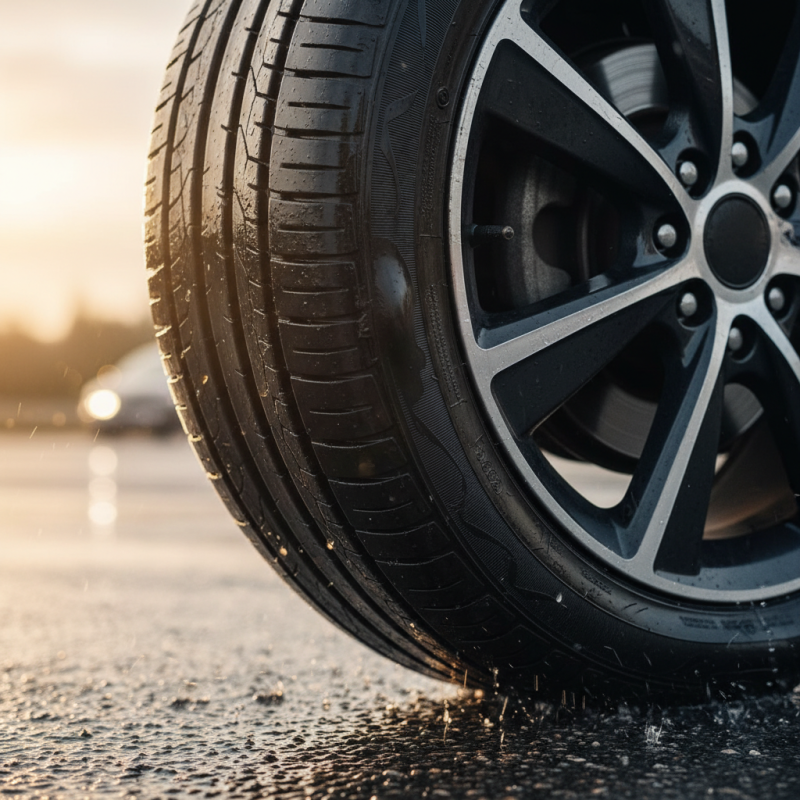
When Should You Replace Your Car Tires for Safety and Performance?

Signs That Indicate It's Time to Replace Your Car Tires

Tires are critical for vehicle safety and performance. Over time, they wear down, losing tread and compromising grip. The first sign you should look for is uneven tire wear. Check for bald spots or a worn tread pattern. If the tread is below 2/32 of an inch, it’s time for new tires.

Another warning is a vibration while driving. This can indicate misalignment or internal tire damage. Additionally, cracks or bulges on the sidewalls suggest that the tire structure may be compromised. If you notice any of these issues, act quickly to ensure safety on the road.

Tips: Regularly inspect your tires. Make it a habit to check them every month. Rotate your tires every 5,000 to 7,000 miles. This promotes even wear and extends their lifespan. Keep tire pressure at the recommended level. Underinflated tires wear out faster and affect fuel efficiency. Regular care goes a long way to enhance performance.

Understanding Tire Lifespan and Age Limitations

Tires have a limited lifespan, which varies based on several factors. Most tires last between six to ten years, but age affects performance significantly. Heat, sunlight, and road conditions can all contribute to wear and tear. Inspecting your tires regularly is essential for safety.

Look for visual signs of aging, like cracks or bulges. These indicate that the rubber has deteriorated. If tires have worn tread, performance decreases in wet conditions. Measuring tread depth helps determine if replacement is necessary. A simple penny test can also indicate tread health; insert a penny with Lincoln's head down. If you see the top of his head, it’s time for new tires.

Ignoring tire age can lead to dangerous situations. Many drivers overlook this critical aspect. The problem may not be apparent until it’s too late. Regular checks and early replacements can enhance safety and optimize vehicle performance significantly. It's always better to make proactive choices.

The Impact of Weather Conditions on Tire Performance

Weather conditions significantly impact tire performance and safety. According to the National Highway Traffic Safety Administration, approximately 30% of crashes are weather-related. Rain, snow, and extreme temperatures affect tire grip and handling.

In wet conditions, tires lose traction as water creates a barrier between the tire and the road. Hydroplaning risk increases when tires are worn. A study by the Tire Industry Association states that the tread depth should be at least 4/32 of an inch for safe wet weather driving. However, many drivers often ignore this guideline, waiting until tires become dangerously worn.

Cold temperatures also affect tire pressure. For every 10°F drop, tire pressure decreases by about 1 psi. Under-inflated tires can lead to poor fuel economy and increased wear. This raises the question: how often do drivers check their tire pressure? Surprisingly, only 50% of car owners perform regular checks. In winter, replacing tires with winter-specific models enhances safety and comfort. Many overlook the benefits, opting instead for all-season tires, which may not provide adequate grip in snow.

When Should You Replace Your Car Tires for Safety and Performance?

This chart illustrates the expected performance of car tires over time. As tires age, their performance degrades, which is vital for safety, especially under varying weather conditions. Regularly assess your tire condition for optimal safety and performance.

Choosing the Right Tires for Your Vehicle and Driving Habits

Choosing the right tires is crucial for safety and performance. Different driving habits and conditions require specific tire features. For example, if you often drive on wet or icy roads, invest in tires with good traction. All-season tires may suffice for mild climates, but dedicated winter tires enhance grip when temperatures drop.

Consider your driving style. If you accelerate quickly or corner sharply, performance tires may improve handling. However, they can wear out faster. On the other hand, if you prefer a smoother ride or primarily drive long distances, choose comfort-oriented tires. They might not offer the same sporty feel, but they provide better longevity and a softer ride.

Stay mindful of the tread depth and wear. Regular inspection can save you from accidents. If you notice uneven wear, it may signal alignment issues or improper inflation. Paying attention to these details can improve your safety. Remember that your tires are the only contact your vehicle has with the road. Choosing wisely can make a significant difference in your driving experience.

Steps for Proper Tire Maintenance and Inspection

Proper tire maintenance is crucial for your safety and vehicle performance. Start by checking tire pressure monthly. Many drivers overlook this simple step. Under-inflated tires can lead to reduced fuel efficiency and poor handling. Aim for the manufacturer-recommended levels, usually found in the owner's manual.

Next, inspect tread depth regularly. Use the penny test—insert a coin into the tread. If you can see Lincoln's head, it's time for a change. Tread affects traction, especially in wet conditions. Worn tires increase stopping distances, leading to potential accidents. Look for signs of uneven wear, which may indicate alignment issues.

Don’t forget about visual inspections. Cracks, blisters, and bulges can compromise tire integrity. Address any suspension issues, as they impact tire lifespan too. Rotate your tires every 5,000 to 7,500 miles to ensure even wear. Tight schedules often lead to neglect. Delay can be dangerous. Reflect on how maintaining your tires could save you from accidents and costly repairs. Stay proactive about tire care.

FAQS

: How long do tires usually last?

: Most tires last between six to ten years. Factors like heat and sunlight affect this lifespan.

What signs indicate tire aging?

Look for cracks or bulges. These show that the rubber may have deteriorated and need replacement.

How can I check my tire tread depth?

You can use a penny. Insert it with Lincoln's head down. If you see his head, replace your tires.

Why is ignoring tire age dangerous?

Ignoring tire age can lead to potential accidents. Problems often become apparent only when it’s too late.

What type of tires should I choose for wet roads?

For wet or icy roads, select tires with good traction. They can enhance your safety during adverse conditions.

How does my driving style affect tire choice?

Aggressive driving may need performance tires, while a smoother ride suggests comfort-oriented tires for longevity.

What should I look for in tire wear?

Regular inspections are vital. Uneven wear might indicate alignment issues or improper inflation that needs attention.

What happens if I neglect regular tire checks?

Neglecting checks can increase the risk of accidents. Regular attention helps ensure your safety on the road.

Why are tires important for vehicle performance?

Tires are the only contact with the road. Choosing the right type improves handling, safety, and overall driving experience.

Are performance tires always the best choice?

Not necessarily. While they enhance handling, they can wear out faster. Consider your needs for durability and comfort.

Conclusion

When Should You Replace Your Car Tires is a crucial question for ensuring both safety and performance on the road. Key signs indicating the need for tire replacement include visible tread wear, sidewall damage, and vibrations during driving. Understanding tire lifespan, typically ranging from six to ten years, is essential, as aging tires can compromise safety even if tread appears adequate. Additionally, weather conditions play a significant role in tire performance; extreme heat or cold can adversely affect tire materials.

Choosing the right tires that match your vehicle type and driving habits, such as everyday commuting or off-road adventures, is also vital for optimal performance. Regular tire maintenance, including proper inflation checks and periodic inspections, can prolong tire life and enhance safety. By addressing these factors, you can ensure that your tires provide the best possible performance and safety on the road.

Oliver

Oliver

Oliver is a seasoned marketing professional with a wealth of expertise in driving brand awareness and engagement. With a deep understanding of our company's product offerings, he consistently delivers high-quality content that enriches our professional blog. His insights not only shed light on......