DUS Auto Parts DUS Auto Parts

How To Improve Vehicle Traction In Winter Conditions?

Time:2026-05-09 Author:Aria
0%

Winter can be a challenging season for drivers. Snow and ice create hazardous conditions that can significantly impact vehicle performance. Understanding how to improve vehicle traction in winter is essential for safety and control.

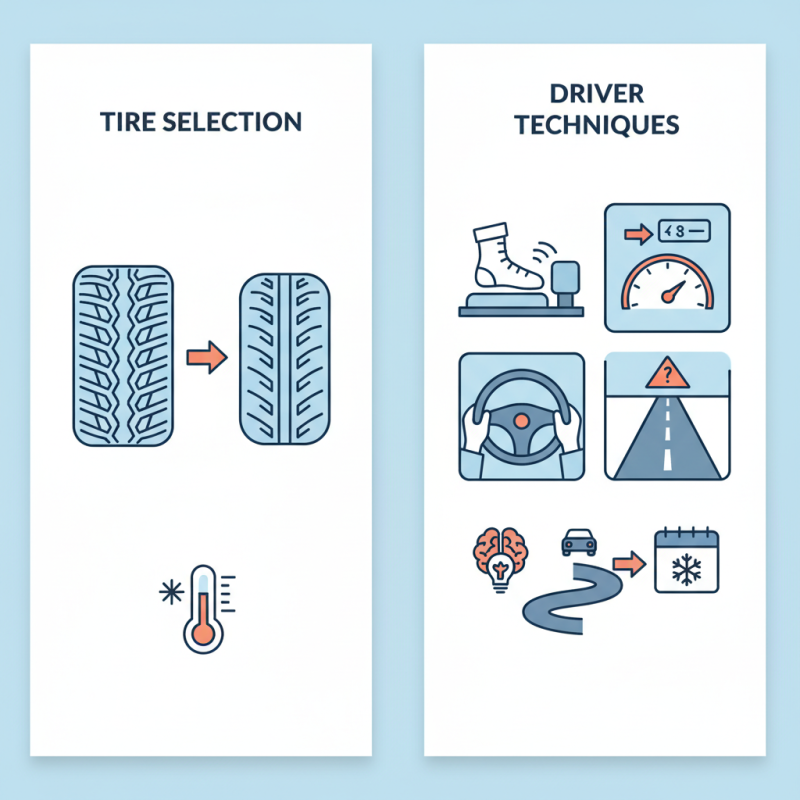
Proper tire selection is crucial. All-season tires may not provide adequate grip on icy surfaces. Winter tires, designed for low temperatures, outperform their counterparts. They feature specialized tread patterns that enhance traction and reduce the risk of slipping.

Beyond tires, driver techniques play a vital role. Gentle acceleration and braking can prevent skidding. Awareness of the road conditions also enhances decision-making. Remember, experience counts. Each winter brings different challenges. Reflection on past winter drives can lead to better strategies next time. By learning and adapting, you can navigate winter roads with confidence.
How To Improve Vehicle Traction In Winter Conditions?

Understanding Vehicle Traction and Its Importance in Winter Conditions

Understanding vehicle traction is essential in winter conditions. Proper traction ensures safer driving on icy or snowy roads. According to the National Highway Traffic Safety Administration, winter weather contributes to thousands of accidents each year. In fact, studies show that icy roads can increase accident rates by as much as 30%. Thus, understanding traction becomes critical for reducing these risks.

Traction depends on tire quality, road surface, and driving techniques. A study by the Tire and Rubber Association highlights that proper winter tires can improve grip by up to 50% compared to standard all-season tires. However, many drivers overlook this critical detail. Quality tires, designed specifically for cold weather, can drastically enhance performance. Yet, not all winter tires provide the same level of traction. Drivers must also maintain appropriate tire pressure, as under-inflated tires lose grip.

Improving traction also involves adjusting driving habits. Smooth acceleration and braking can make a significant difference. Quick maneuvers often lead to skidding, especially on slick surfaces. The AAA Foundation for Traffic Safety advises gradual changes in speed. Drivers should also be mindful of road conditions. Some areas may appear clear but can hide patches of ice. Learning to recognize these patterns is key to improving safety in winter driving.

How To Improve Vehicle Traction In Winter Conditions?

Factor Description Importance Level (1-5)
Tire Type Using winter tires improves grip in snow and ice. 5
Tire Pressure Maintaining correct tire pressure ensures optimal traction. 4
Weight Distribution Proper weight distribution enhances stability and grip. 4
Driving Technique Smooth acceleration and braking prevent wheel spin. 5
Road Conditions Awareness of road conditions helps in planning routes. 3

Types of Tires for Enhanced Traction in Winter Weather

When winter weather strikes, choosing the right tires plays a crucial role in maintaining vehicle traction. Winter tires are specifically designed with tread patterns that enhance grip on snow and ice. According to industry research, winter tires can provide up to 50% more traction compared to all-season tires in cold conditions. This significant difference can mean safer journeys during harsh winters.

There are various types of winter tires to consider. Studded tires are one option. They feature small metal studs that dig into icy surfaces, offering superior grip. On the other hand, non-studded winter tires often rely on specialized rubber compounds and optimized tread designs. These tires remain flexible in freezing temperatures, enhancing contact with the road. A study showed that non-studded tires perform exceptionally well on packed snow, proving effective for everyday driving.

However, the choice isn't clear-cut. The effectiveness of each tire type can vary based on local climate and driving habits. Some users find that all-season tires still perform adequately in mild winter conditions, raising questions about the ideal choice. It's essential to weigh the pros and cons, considering individual needs and local weather patterns. This reflection can lead to better decisions for winter vehicle safety.

Techniques to Maintain Traction on Slippery Surfaces

Driving in winter can be challenging. Slippery surfaces demand special techniques to maintain traction. Understanding these methods is crucial for safety.

One effective technique is adjusting your driving speed. Reducing speed gives you more control on icy roads. It allows better reaction time to unexpected situations. Remember the two-second rule. Keep a safe distance from the car ahead. This space can prevent accidents.

Using winter tires is vital. They offer better grip than regular tires on snow and ice. When they are new, the tread pattern provides optimal traction. Check the tire pressure periodically, as it changes with temperature. Also, avoid sudden movements. Slow steering and gentle acceleration help maintain traction.

Lastly, consider weight distribution. Adding weight to the trunk can enhance traction on slippery surfaces. Just ensure that the weight does not obstruct vehicle operation. Pay attention to how your vehicle responds. Each reaction can teach you about handling in tough conditions.

Utilizing Weight and Distribution to Improve Winter Traction

Improving vehicle traction during winter conditions is crucial for safety. The distribution of weight in a vehicle plays a vital role. A well-balanced car can enhance grip on icy roads. Studies indicate that vehicles with a more even weight distribution can improve traction by up to 20%. This is especially true for rear-wheel-drive vehicles, which benefit from adding weight to the trunk.

Utilizing additional weight, like sandbags, can be beneficial. However, excessive weight can hinder performance. A good rule is to aim for a balance that maintains control without overburdening the vehicle. Experts recommend using around 100 to 150 pounds of added weight, particularly in areas where the rear tires make contact with the road surface. Monitoring tire pressure is another factor; under-inflated tires can reduce traction significantly.

The type of tires used also affects performance. All-season tires may not perform well in extreme winter conditions. Snow tires, designed for cold weather, can provide up to 50% better traction. Yet, it’s essential to check tread wear regularly. Worn-out tires can diminish the benefits of weight and distribution changes. Finding the right balance requires continuous evaluation and adjustment based on weather conditions and driving habits.

Advanced Technologies and Accessories to Boost Vehicle Traction

Winter conditions can pose serious challenges for vehicle traction. To enhance safety and driving performance, advanced technologies play a crucial role.

One effective solution is the use of winter tires. These tires have specialized tread patterns and rubber compounds, which improve grip on snow and ice. The key is in their ability to stay flexible even in cold temperatures, promoting better contact with the road surface. Another innovative accessory to consider is traction control systems. These systems help manage wheel spin, automatically adjusting power to maintain stability and traction when needed.

Additionally, anti-lock braking systems (ABS) can greatly improve handling. ABS prevents wheels from locking up during hard braking on slippery surfaces. However, it is vital to understand that relying solely on technology may lead to overconfidence. Drivers should still exercise caution in winter conditions, as no system can fully eliminate risks. Adapting driving habits and being knowledgeable about vehicle capabilities remains essential.

FAQS

: What are winter tires designed for?

: Winter tires enhance grip on snow and ice, improving vehicle traction in cold weather.

How much more traction do winter tires provide?

Winter tires can offer up to 50% more traction than all-season tires under cold conditions.

What are studded tires?

Studded tires have small metal studs that dig into icy surfaces, providing superior grip in extreme conditions.

How do non-studded winter tires perform?

Non-studded tires use specialized rubber and tread designs for better flexibility and grip on packed snow.

Should I still consider all-season tires for winter?

Some find all-season tires adequate in mild winter conditions, but effectiveness varies by climate and driving habits.

How can I maintain traction on slippery roads?

Adjust your speed, keep a safe distance, and avoid sudden movements to improve traction in winter conditions.

Why is tire pressure important in winter?

Tire pressure can change with temperature, affecting traction. Check it regularly to ensure optimal performance.

Can adding weight to my car improve traction?

Yes, adding weight to the trunk can enhance traction, but ensure it doesn’t obstruct vehicle operation.

What should I pay attention to while driving in winter?

Observe how your vehicle responds in tough conditions. Each reaction can help you understand better driving techniques.

Is there a perfect winter tire choice?

No one option fits all; reflect on personal needs and local weather patterns to find the best choice.

Conclusion

When considering how to improve vehicle traction in winter, it's crucial to understand the fundamentals of vehicle traction and its significance during harsh weather conditions. First, selecting the appropriate type of tires designed for winter environments can greatly enhance grip on icy or snowy surfaces. Additionally, maintaining control through various techniques, such as smooth steering and gentle braking, is essential for navigating slippery roads safely.

Moreover, strategically utilizing weight distribution within the vehicle can further enhance traction by increasing the contact between tires and the surface. Finally, embracing advanced technologies and accessories, such as traction control systems and snow chains, can provide the necessary support to ensure better vehicle performance in winter conditions. Collectively, these strategies form a comprehensive approach to improving vehicle traction in winter, promoting safer driving experiences during challenging seasons.

Aria

Aria

Aria is a dedicated marketing professional with a deep passion for innovative strategies and a keen understanding of our company's product offerings. With a wealth of experience in the industry, Aria excels at crafting engaging content that highlights the unique features and benefits of our......