DUS Auto Parts
Tire maintenance is crucial for vehicle safety and performance. Understanding "Common Tire Wear Problems and Solutions" can help drivers maximize tire lifespan and enhance driving safety. Mike Johnson, a seasoned tire technician with over 15 years of experience, emphasizes, “Proper tire care can prevent costly replacements and ensure your safety on the road.”
Many drivers ignore signs of tire wear until it’s too late. Uneven tread wear, cupping, and bald patches are all signals that something is amiss. Addressing these issues promptly can save both money and time. Proper alignment and regular pressure checks are essential yet often overlooked. Ignoring these factors leads to more significant problems.
Investing in knowledge about tire wear can transform your driving experience. Being aware of the common issues will allow you to take action before they worsen. Regular checks and maintenance are more than recommendations; they are essential practices every driver should adopt. Learn the warning signs, and avoid costly mistakes.
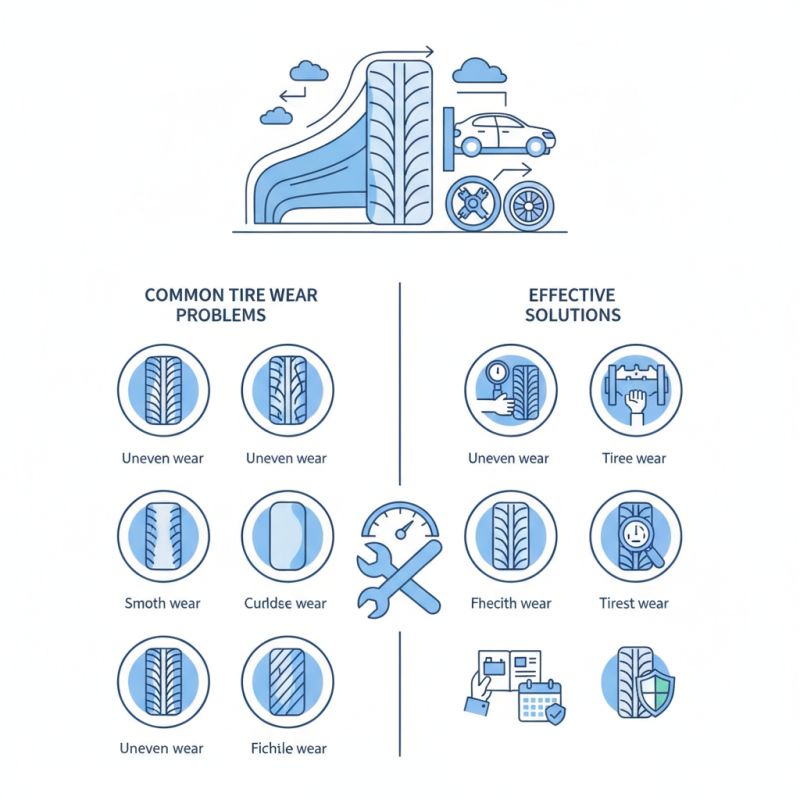
Tire wear is a common issue affecting vehicle performance and safety. Identifying the type of wear helps in addressing the problem effectively. Some common types include uneven wear, center wear, and edge wear. Each of these patterns can indicate specific problems that need immediate attention.
Uneven wear typically suggests misalignment or improper inflation. If tires are inflated too high or too low, it can lead to premature wear on one side. Center wear often points to over-inflation, while edge wear indicates under-inflation. These issues not only decrease tire life but can also impact handling and fuel efficiency. Regular checks and adjustments are essential.
Another common type of tire wear is patchy wear, caused by suspension issues or imbalanced tires. This condition can lead to serious problems if left unchecked. Drivers must be proactive. A visual inspection of tires regularly can help spot these issues early. Keeping track of tire pressure, rotation schedules, and tread depth is vital. These small steps contribute to safer driving experiences and longer tire life.
This chart illustrates the common types of tire wear and their causes. Each type of wear is represented alongside its typical causes to help drivers understand and address potential tire issues.
Tire longevity heavily relies on proper inflation. Research shows that 1 in 4 drivers operate their vehicles with under-inflated tires. This can lead to uneven wear and safety hazards. Under-inflation causes tires to flex more, generating excess heat. A study from the National Highway Traffic Safety Administration indicates that this could reduce tire lifespan by up to 25%.
On the flip side, over-inflated tires create a rigid contact patch. This can lead to accelerated wear in the center of the tread, risking a blowout. Both scenarios compromise safety and efficiency. Keeping tires inflated to the recommended levels is essential for performance and longevity.
Tips: Check tire pressure monthly. This simple act can save money and increase safety. Also, perform visual inspections for wear patterns. Identifying problems early can prevent costly replacements. Lastly, rotate tires regularly. This practice promotes even wear, enhancing their lifespan. Taking these steps will ensure tires perform at their best.
Misalignment is a common issue that can significantly affect tire wear. According to industry reports, nearly 60% of vehicles experience some form of misalignment. This misalignment can result from hitting a pothole or regular wear over time. When wheels are not aligned, they can cause uneven tire wear, leading to reduced tire lifespan and compromised handling.
The effects of misalignment can be severe. For instance, tires may wear down faster on one side, reducing their performance. A study indicates that misaligned wheels can decrease tire life by up to 25%. This means drivers may have to replace tires more frequently, increasing overall maintenance costs.
Regular checks and adjustments are crucial. Tire professionals recommend checking wheel alignment at least once a year or after significant physical impacts. Small changes in misalignment can magnify over time, leading to more significant problems. Addressing these issues early can save money and enhance safety on the road. Understanding the consequences of misalignment is key to maintaining vehicle performance and ensuring a safer driving experience.
| Tire Wear Problem | Description | Identifying Features | Effective Solutions |
|---|---|---|---|
| Uneven Wear | Occurs when one side of the tire wears faster than the other. | Visible difference in tread depth on both sides. | Regular alignment checks and adjustments. |
| Center Wear | Tire wears down in the center due to over-inflation. | Tire appears smooth at the center. | Check tire pressure regularly and adjust as needed. |
| Edge Wear | Caused by under-inflation, leading to wear on the outer edges. | Worn edges with more tread in the middle. | Maintain proper tire pressure; check regularly. |
| Cup Wear | Characterized by high and low spots around the tire due to improper alignment. | Noticeable dips across the tire surface. | Alignment and suspension check. |
| Toe Wear | Causes the tire to wear faster on one side due to angle misalignment. | Tire looks worn unevenly across the tread. | Regular alignment checks and corrections. |
| Patchy Wear | Inconsistent tread wear, often due to improper balancing. | Random patches on the tire tread. | Get tires balanced regularly. |
| Sidewall Wear | Damage or wear on the sidewalls, often from hitting curbs. | Visible cuts or abrasions on the sidewall. | Avoid hitting obstacles; replace damaged tires. |
| Hedgehog Wear | Caused by excessive braking or acceleration, leading to random wear patterns. | Irregular tread surface with many small wear spots. | Drive more smoothly to minimize wear. |
| Cracking Wear | Surface cracks often due to aging and UV exposure. | Visible cracks in the rubber. | Store tires in a cool, dark place and replace when needed. |
| Noise Wear | Increased noise can indicate uneven wear patterns. | Louder than normal tire noise during operation. | Inspect tires for wear patterns; rotate tires regularly. |
The suspension system plays a crucial role in tire maintenance and wear. Properly functioning suspension ensures even distribution of vehicle weight. This contributes to balanced tire wear, prolonging tire life. A study by the Tire Industry Association highlights that uneven tire wear can reduce tire lifespan by 25%. This underscores the significance of a well-maintained suspension system.
Misalignment can lead to unnecessary tire wear. When wheels are not properly aligned, tires can wear unevenly, leading to premature replacement. For example, according to the American Automobile Association, approximately 30% of vehicles are driving with misaligned wheels. This can result in one-sided tire wear and puts additional stress on the suspension components. Regular checks and adjustments can prevent this issue and improve overall vehicle performance.
Furthermore, worn-out shocks and struts can compromise the suspension's effectiveness. This can lead to poor handling and increased braking distances. An article from the Institute of Automotive Service Excellence indicates that replacing worn suspension parts can enhance tire contact with the road. Implementing routine inspections and maintenance schedules can address these concerns, promoting better tire longevity and safety on the road.
Tires are a crucial component of vehicle safety and performance. Regular maintenance can significantly extend their life.
According to the Tire Industry Association, proper tire inflation can improve fuel efficiency by 3.3%. This means checking tire pressure
monthly is essential. An underinflated tire can wear out faster and increase the risk of blowouts.
Uneven tire wear is a common issue that indicates misalignment or improper inflation.
Industry data suggest that around 30% of tires suffer from such wear patterns. Rotating tires every 5,000 to 7,500 miles can
help mitigate this problem. It promotes even wear and extends overall tire life.
Incorporating seasonal tire changes also plays a vital role. Using winter tires in cold months can enhance traction and reduce wear caused by harsh conditions.
Many experts recommend inspecting tread depth regularly. Tread depth should not fall below 2/32 inches to ensure safe handling. Small measures and adjustments
can make a significant difference in prolonging tire life and maintaining performance.
: Uneven tire wear is usually caused by misalignment or improper tire inflation.
Over-inflated tires often show center wear, indicating they may need adjustment.
Under-inflated tires display edge wear and can lead to handling issues.
Checking tire pressure monthly can prevent premature wear and reduce blowout risks.
Tires should be rotated every 5,000 to 7,500 miles for even wear.
A well-maintained suspension ensures balanced weight distribution, prolonging tire life.
Misaligned wheels cause uneven tire wear and can stress suspension components.
Using seasonal tires, like winter ones, improves traction and reduces wear during harsh conditions.
Tread depth should not fall below 2/32 inches to ensure safe driving.
Regular inspections, proper inflation, and timely rotations can significantly extend tire life.
The article "10 Common Tire Wear Problems and Effective Solutions" provides a comprehensive overview of various tire wear issues and their corresponding remedies. It begins by identifying common types of tire wear, such as uneven tread wear and bald spots, along with their root causes, including improper alignment, inadequate inflation, and issues with suspension systems. The impact of incorrect inflation on tire longevity is emphasized, showcasing how under or over-inflation can accelerate wear and reduce performance.
Furthermore, the article delves into the critical role of alignment and suspension maintenance in prolonging tire life. By addressing misalignment and suspension problems, drivers can prevent premature tire wear. Finally, the article offers effective solutions to enhance tire performance, such as regular inspections, proper inflation practices, and timely rotations. Overall, the insights provided on common tire wear problems and solutions serve as essential knowledge for maintaining vehicle safety and efficiency.
